

UNESCO Chair in Cultural Heritage Management and Sustainability
Fostering Innovation and Sustainable Preservation Practices
Contact / Team members
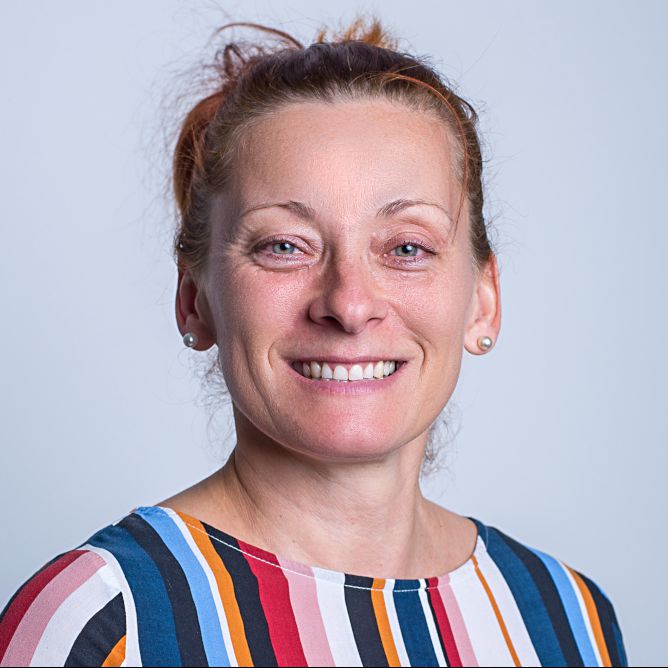
Viktória CSIZMADIÁNÉ CZUPPON
Associate Professor and Senior Researcher
Faculty of Business and Economics, University of Pannonia
Viktória Csizmadiáné Czuppon is an Associate Professor and Senior Research Fellow at the University of Pannonia, specializing in innovation management and local economic development. Her research focuses on sustainable rural development, regional competitiveness, and socio-economic strategies for disadvantaged areas.
She examines local food systems, short supply chains, and rural tourism as drivers of community resilience, integrating analytical and qualitative methods to assess consumer trust and sustainability practices. Her work also explores green marketing trends, circular economy solutions, and environmental innovations, including wastewater treatment and microplastic monitoring. She actively contributes to EU-funded projects on cross-border cooperation and innovation transfer, and mentors doctoral students in business and management. Through her interdisciplinary approach, she connects economic development with ecological responsibility, aiming to strengthen rural communities and promote sustainable regional growth.
Contact: czuppon.viktoria@gtk.uni-pannon.hu
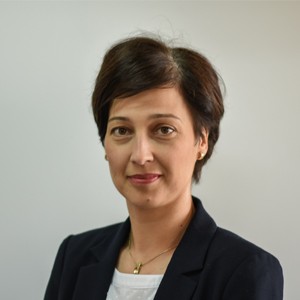
Renáta GERENCSÉR-BERTA
Research Associate, Deputy Director and Vice-Rector University Center for Circular Economy, University of Pannonia, Nagykanizsa Campus
Renáta Gerencsér-Berta is the Vice-Rector responsible for strategic development at University of Pannonia and a research associate at the University of Pannonia’s Nagykanizsa center, specializing in analytical and environmental chemistry. Her work addresses water technology challenges, contaminant behavior, and emerging pollutants such as pharmaceuticals and microplastics, with a PhD in chemistry from Eötvös Loránd University.
She applies advanced techniques including HPLC, MS, and NMR to study adsorption processes and separation methods. Recent projects focus on glyphosate adsorption, microplastic monitoring in wastewater, and virus
detection in sewage systems, contributing to sustainable water management and circular economy solutions. Beyond research, she supports doctoral training and interdisciplinary collaboration within the water technology community, connecting academic inquiry with practical solutions for circular economy and sustainable water management.
Contact: berta.renata@pen.uni-pannon.hu

Nikoletta KASZÁS
Associate Professor
University Center for Circular Economy, University of Pannonia, Nagykanizsa Campus
Nikoletta Kaszás is an Associate Professor at the University of Pannonia and a leading researcher in tourism studies, circular economy, and destination management. Her work focuses on how sustainability principles – particularly circularity – can be integrated into tourism systems, supply chains, and regional development strategies. She has contributed to national and international research projects examining cross‑border cooperation, regional tourism planning, and innovative economic development initiatives. Her publications explore themes such as circular tourism models, the role of national Destination Management Organizations in crisis communication during the COVID‑19 pandemic, accessibility in tourism, and consumer attitudes toward local products.
Her research also investigates organizational and human factors in digital transformation, knowledge transfer in non‑business projects, and the emergence of safety and security considerations in EU tourism strategies. She has led and participated in numerous EU‑funded IPA and Interreg projects supporting regional innovation, youth engagement, and tourism development along the Hungary–Croatia border. With a strong interdisciplinary approach, she contributes to shaping sustainable, resilient tourism destinations and advancing circular economy practices within the sector. [pen.uni-pannon.hu]
Contact: kaszas.nikoletta@pen.uni-pannon.hu
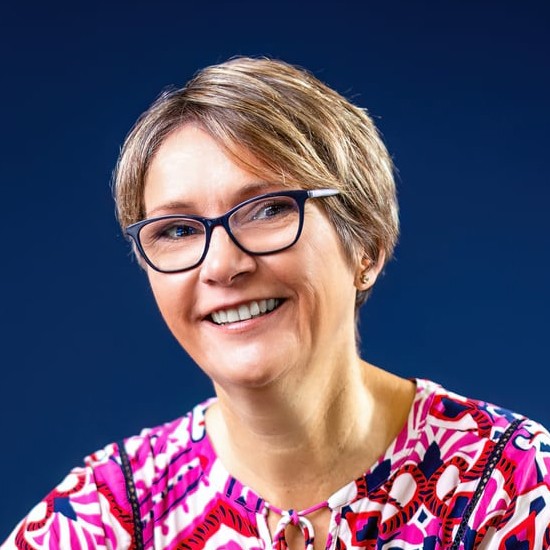
Katalin LŐRINCZ
Associate Professor and Vice-Dean for General Affairs
Faculty of Business and Economics, University of Pannonia
Katalin Lőrincz is an Associate Professor and Vice-Dean for General Affairs at the Faculty of Business and Economics, University of Pannonia. Her academic expertise lies in tourism geography, destination management, and sustainable tourism, with a particular focus on the spatial dimensions of tourism development and its role in sustainable regional growth.
Her research addresses cultural and urban tourism, tourism planning, sustainability, and quality of life, combining theoretical inquiry with applied territorial analysis. She has made significant scholarly contributions related to the Veszprém–Balaton region (BATUKI Balaton Tourism Research Centre), including research connected to the European Capital of Culture programme (VEB2023). Her work in this area explores green destination branding, festival sustainability, and risk management in cultural and creative projects.
Katalin Lőrincz is actively involved in international research and development projects focusing on cultural and creative tourism (CROCUS), urban tourism (URBACT, Interreg Danube Region-NONA), and green universities. Beyond academia, she has played a key role in tourism development initiatives in several Hungarian cities, including Veszprém, Zalaegerszeg, and Kőszeg. Methodologically, her research integrates comparative analysis, stakeholder engagement, and sustainability assessment frameworks to examine evolving business models and governance structures in various tourist destinations. Through this work, she contributes to both international academic discourse and evidence-based regional and tourism policy development.
Contact: lorincz.katalin@gtk.uni-pannon.hu
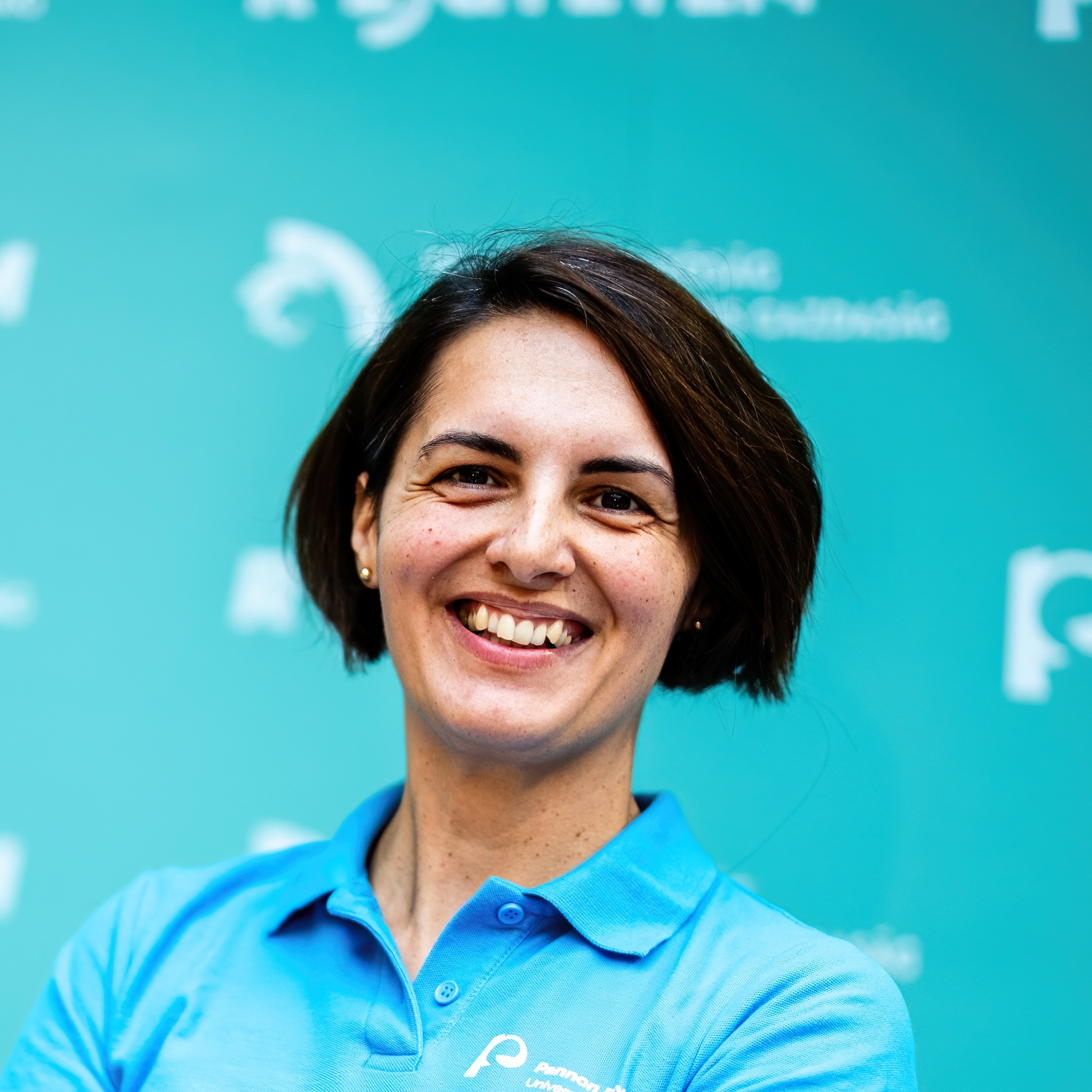
Brigitta MOLNÁR-FERENCZIK
Senior Project Manager, Founding member Sustainability Competence Centre, University of Pannonia
Her work addresses RDI management, circular economy, sustainability aligned with the SDGs, and the mission of the UNESCO Chair.
As a senior project manager, she has gained extensive experience in developing RDI projects and processes, coordinating professionals from different disciplines and organizations, and understanding what value creation means for industrial companies, universities and NGOs. She has also organized major events including HOPE conference and event held in honour of Jane Goodall’s visit at University of Pannonia. She is the founding coordinator of the institutional initiation Trash Art Competition and the Interactive Sustainability Programme.
Her research focuses on sustainability competencies, especially in higher education. Higher education institutions play a key role in developing appropriate solutions to today’s global and complex challenges. Parallel to the shift toward competence-based education, sustainability has also gained increasing importance in university operataions and strategy. This raises the question of how sustainability influences universities and which competencies need to be integrated in order to successfully fulfil their missions. Furthermore, the universities are increasingly strengthening their third mission activities, which have an impact on their environmental contexts. In her view, developing both individual and institutional sustainability-related competencies is essential.
Her methodological approach combines qualitative and quantitative analysis, enabling a practice-oriented understanding of complex socio-economic and cultural processes.
She is currently on maternity leave.
Contact: ferenczik.brigitta@uni-pannon.hu
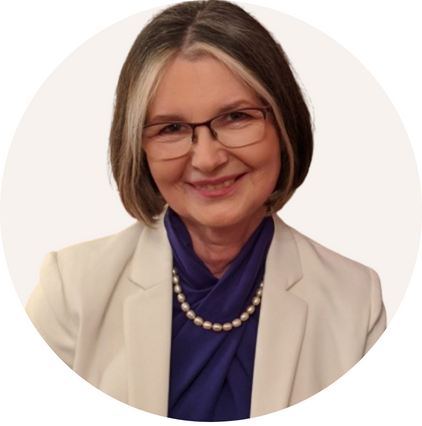
Cecilia SIK-LÁNYI
Professor, Department of Electrical Engineering and Information Systems, University of Pannonia
Cecilia Sik-Lanyi is a Professor at the University of Pannonia, holding a PhD and a DSc (Doctor of the Hungarian Academy of Sciences degree) in Computer Science. Her academic and professional expertise includes virtual reality (VR), accessibility, and human–computer interaction (HCI), with a particular focus on VR, serious game in education and rehabilitation. Her work addresses software ergonomics and user interface design, contributing to the advancement of inclusive digital environments and the development of specialized training materials, such as artificial intelligence education for secondary school teachers. Furthermore, she was the leader of the education and dissemination working group of the a-STEP COST Action, one of the main results of which was the writing of a white paper for policymakers.
Her research focuses on multimedia and VR based applications, including serious games for children’s health, telemedicine systems for stroke recovery, and assistive technologies. She has participated in over 25 EU-funded and bilateral international projects, serving as a national coordinator or principal investigator for initiatives such as COST Actions (LEAD_ME, a-STEP, PAAR-net COST Actions) and EU FP7 projects (StrokeBack, SSL4EU). These efforts have contributed to both high-level academic research and applied development initiatives in Design for All and e-Accessibility. Her recent researches focus on how AI can support older adults and People with ASD for a sustainable society.
Beyond academia, Sik-Lanyi has been actively involved in disability science advocacy and international policy development. She serves as the national representative for the Association for the Advancement of Assistive Technology in Europe (AAATE) and has been invited as a member of the Disability Science Council under the Hungarian Ministry of Interior, where she will serve as Chair starting in 2026. Her work supports evidence-based decision-making and sustainable development at the international level, evidenced by her leadership roles was in the European Design for All e-Accessibility Network.
Their methodological approach combines human-computer interaction (HCI), software ergonomics, and participatory design, enabling a practice-oriented understanding of complex socio-economic and cultural processes. By integrating colour science and multimedia development with user-centered design, she ensures that technological innovations are accessible and effective for diverse user groups, particularly those with special needs. With an extensive publication record of over 500 publications, she is a renowned researcher and recipient of the King Salman Award for Disability Research and the AAATE Diamond Awards. She is a key person to lead European projects requiring academic leadership, curriculum innovation, and international collaboration.
Contact: lanyi.cecilia@mik.uni-pannon.hu

Zsófia Márta PAPP
Associate professor
Faculty of Economics, Tourism Department, University of Pannonia
Zsófia Márta Papp is an associate professor at the Tourism Department of the University of Pannonia. Her academic and professional expertise includes tourism management, with a particular focus on cultural tourism. Her work addresses different cultural attractions, contributing to the sustainable use of cultural heritage, the strengthening of local communities, and the promotion of responsible tourism development.
Her research focuses on cultural and heritage tourism, community involvement in tourism development, and tourism-related well-being, including religious tourism, cross-border tourism development, sustainable tourism planning, and residents’ perceptions of tourism impacts. She has participated in international and interdisciplinary research projects, including EU-funded initiatives, related to sustainable tourism development, cultural and creative tourism, and community-based tourism planning, contributing to both academic research and applied development initiatives.
Beyond academia, Papp has been actively involved in regional tourism development, stakeholder collaboration, and higher education in tourism. Her work supports evidence-based decision-making and sustainable development at the local and regional level, particularly in rural and cross-border areas.
Her methodological approach combines qualitative and quantitative research methods, stakeholder engagement, and participatory approaches, enabling a practice-oriented understanding of complex socio-economic and cultural processes related to tourism development.
Contact: papp.zsofia@gtk.uni-pannon.hu
Viktor SEBESTYÉN
Senior Researcher, Research Group Leader Sustainability Solutions Research Laboratory, University of Pannonia
Viktor Sebestyén is a Senior Researcher and Head of the research group of the Sustainability Solutions Research Laboratory at the University of Pannonia, specializing in environmental analysis, data‑driven modelling, and sustainability assessment. His research focuses on developing advanced analytical and modelling methodologies for climate change, sustainable development goals (SDGs), and environmental impact assessment, with particular emphasis on system‑of‑systems approaches and network‑based evaluations. He has published influential studies on the interconnectedness of SDGs, text‑mining‑based comparative analyses of national sustainability reports, and environmental impact networks of renewable energy technologies. His work also covers water quality assessment, wastewater treatment modelling, geothermal systems, and the application of big data in climate research.
His methodological contributions include complex environmental state evaluation algorithms, strategic environmental assessment tools, and data‑driven adaptation pathway analyses. He collaborates widely with international researchers across environmental engineering, climate science, and sustainable energy fields. His broader expertise extends to IoT‑based monitoring, early warning systems, and sensor network optimization for aquatic environments. Through interdisciplinary research, he advances innovative solutions that support resilient, sustainable environmental management and policy planning.
Contact: sebestyen.viktor@mk.uni-pannon.hu
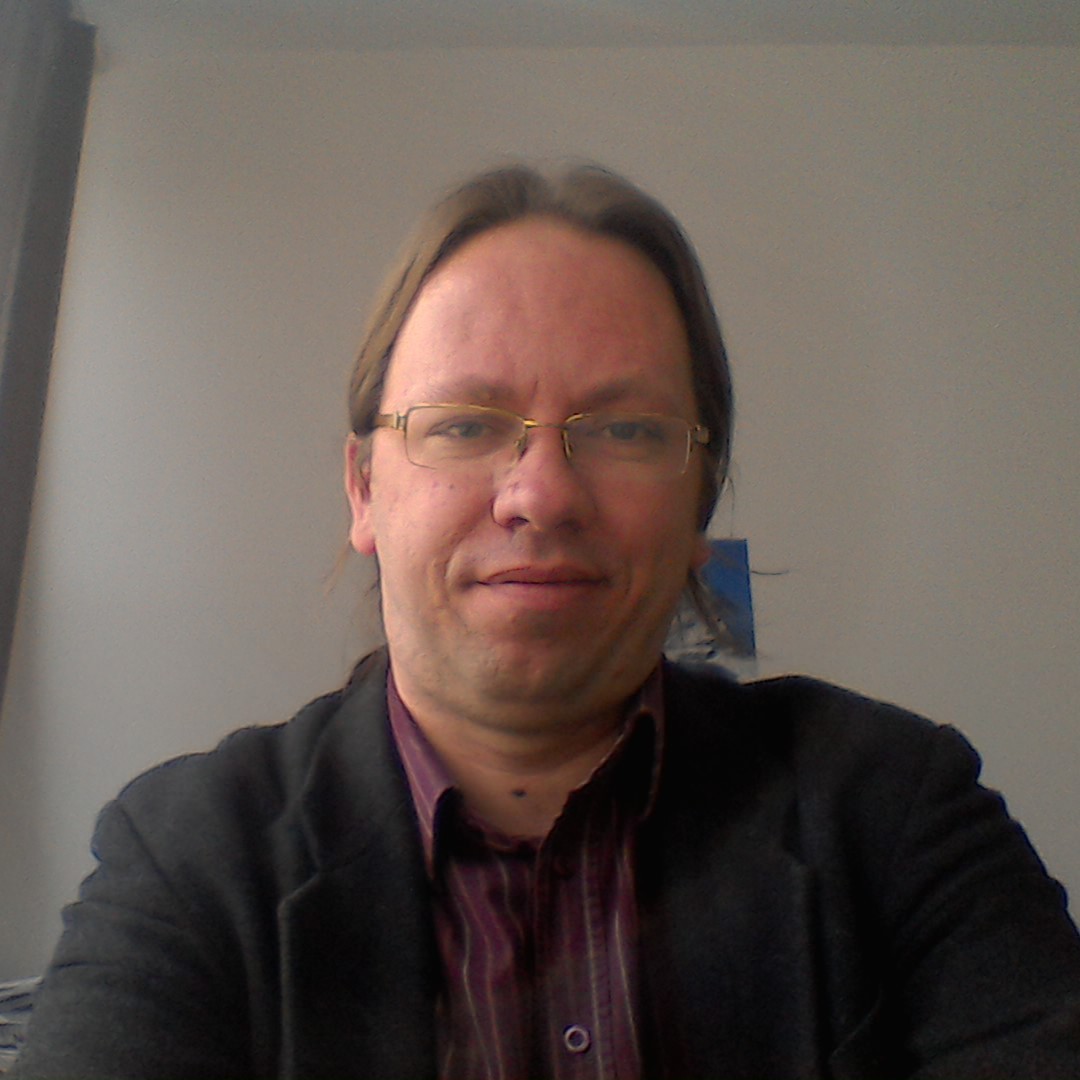
Lajos SOMOGYVÁRI
PhD, associate professor
University of Pannonia, Faculty of Humanities
He is the Head of the Institute of Education Science, and Vice-Dean at the Faculty, responsible for academic affairs, international affairs, and quality assurance. In his first 10 years of his career, he worked at a secondary vocational school, where he taught history, grammar, and literature. During that time, he conducted his dissertation on the history of education (a visual analysis of 1960s school photographs). Lajos Somogyvári had a multi-layered experience in projects of educational inequalities and special education needs, between 2004 and 2014, as his school was located in a disadvantaged region. Since 2015, he has been working at the University, first in teacher training, and later in the BA in Pedagogy and the MA in Education Science.
He has a wide network in the field of the history of education: convenor of the European Educational Research Association (EERA) Network 17 (Histories of education) and member of the Executive Committee of the International Standing Conference for the History of Education (ISCHE) as treasurer, representing Eastern and Central Europe. He is also the international secretary of the History of Education Subcommittee at the Pedagogical Committee of the Hungarian Academy. Somogyvári has both domestic and international scientific outputs (papers, conference proceedings, reviews, and research groups) and serves as the head and editor of the influential Hungarian educational journal Iskolakultúra (Culture of School). Somogyvári Lajos main research interest focuses on the second half of the 20th century, including education in totalitarian regimes, the effects os ideology and propaganda, socialist education, and its global history.
Beyond academia, Somogyvári has been actively involved in working with secondary schools, principals and teachers in developing local projects of common history. His next project (in progress) focuses on building common knowledge about the cultural and material values of the Balaton Uplands from the perspective of local histories and cultural heritage (Balaton Iskola). This database will be open and accessible, especially to the region's kindergartens and elementary schools, as well as to all interested parties. The webpage will describe these local values and serve as an information hub for similar activities and initiatives. It will also be an open building task collection, and participation by teachers and civil and cultural organizations is highly welcome.
In his work, Somogyvári uses various qualitative methods, including visual analysis, prosopography, and document analysis, across topics such as civic education, computerization, polytechnics, and international relations in the Cold War Era. As a historian, he tries to avoid presentism by identifying the historical roots of contemporary educational trends and phenomena.
Contact: somogyvari.lajos@htk.uni-pannon.hu
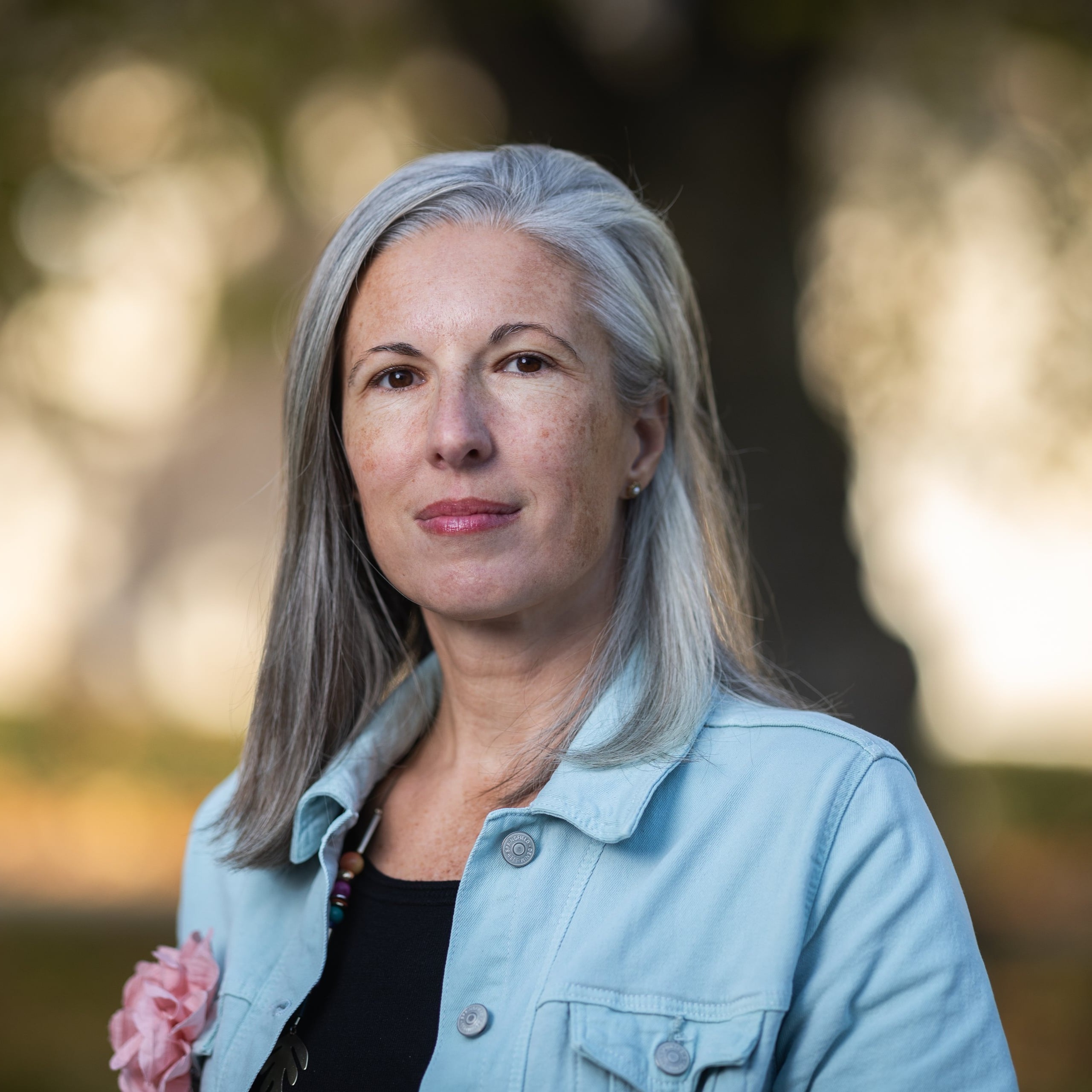
Márta Judit SULYOK
Senior Research Fellow
Balaton Tourism Research Centre, Faculty of Business and Economics, University of Pannonia
Judit Sulyok is a senior research fellow at the Balaton Tourism Research Centre, University of Pannonia. Having a tourism researcher background for more than 20 years, and a phd in regional science, her main research interest includes waterside destinations within that Lake Balaton in Hungary, health tourism, place marketing and destination branding, furthermore temporal and spatial concentration of tourism mobility.
She has been actively participated in international and Hungarian projects, furthermore she has been actively involved in the monitoring of the Veszprém-Balaton 2023 European Capital of Culture programme, in EU-funded projects related to developing health tourism during the off-season period, and wine tourism in disadvantaged areas. Within the framework of national laboratories programme in Hungary, she has been responsible for science communication activities. She is involved in industry partnership research addressing Lake Balaton tourism, cooperating with local and regional partners.
Her methodological approach combines qualitative and quantitative analysis, with a strong focus on practical implications and societal impact of scientific research.
Beyond academia, Judit Sulyok is a board member of International Association of Scientific Experts in Tourism (AIEST).
Contact: sulyok.judit@gtk.uni-pannon.hu

Attila SZŰCS
Master Teacher / Institute of Educational Sciences, Faculty of Humanities;
PhD student / Doctoral School of Chemical and Environmental Sciences, University of Pannonia, Veszprém, Hungary
His academic and professional expertise includes awareness-raising related to social and environmental sustainability, with a particular focus on teacher education, the teaching and research of environmental education courses, and third mission activities. His work addresses the whole-institution sustainability efforts of participants in public education and educational institutions (kindergartens and schools), contributing to the broader societal, policy, and academic goals related to the UNESCO Chair.
His research focuses on the practical implementation of theoretical results in education for sustainability, ranging from the planning and sustainability-oriented teaching of individual lessons to the analysis of the National Core Curriculum and subject content. Another area of research is the examination of the impact of whole-institution approaches on fostering environmentally conscious thinking. He participates in the national research programme “Students for Sustainability,” contribute to the operation of the nationwide Sustainability Thematic Week educational programme (including teacher training, lesson plan development, and the organisation of competitions), and are involved in the implementation of sustainability-focused third mission programmes at the University of Pannonia.
Head of the Green Coordinator Teacher Network, which provides professional and infrastructural support to Green Kindergartens and Eco-Schools in the region. President of the Bakony-Balaton Környezetvédelmi Oktatóközpont Egyesület (Bakony–Balaton Environmental Education Centre Association). In the course of their work, they collaborate with several institutions belonging to the UNESCO Associated Schools Network.
His methodological approach combines qualitative and quantitative analysis, stakeholder engagement, comparative research, and policy analysis, enabling a practice-oriented understanding of complex socio-economic and cultural processes.
Contact: szucs.attila@htk.uni-pannon.hu
