

UNESCO Chair in Cultural Heritage Management and Sustainability
Fostering Innovation and Sustainable Preservation Practices
Institute of Advanced Studies Kőszeg
Institute of Advanced Studies Kőszeg – Where the Future Starts
Located in western Hungary, the Institute of Advanced Studies Kőszeg (iASK) offers a unique academic environment that blends the town’s rich historical heritage with forward-looking education. It fosters multidisciplinarity, critical thinking, and innovation, bringing together exceptional students and scholars eager to engage in dynamic academic life. The Institute’s mission is to address the complexities and uncertainties of our time through interdisciplinary research and education. By promoting innovative approaches and solutions to global challenges, iASK empowers individuals and societies with the knowledge and tools needed to shape a sustainable future.
The list of academic events at iASK, supported by the Hungarian National Commission for UNESCO:
- MOST Winter Schools annually since 2019
- International Summer Universities annually since 2011
- Chernel – Festetics Symposium (2022)
- The 5th European BlueSky Conference (2023)
- Intersections video conference (2024)
Research Experts at iASK:
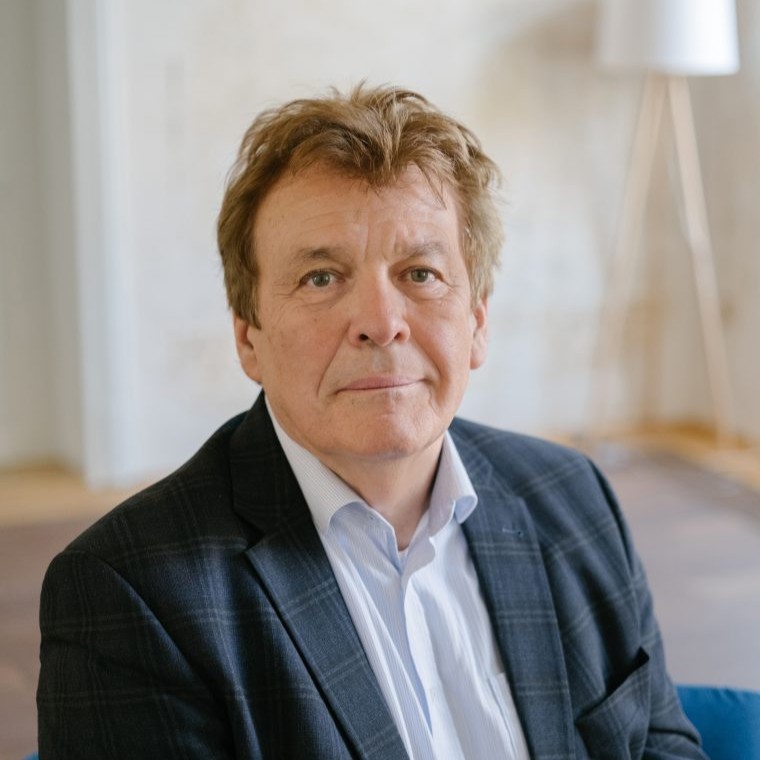
Ferenc Miszlivetz
General Director of iASK, Professor at University of Pannonia Kőszeg Campus
Ferenc Miszlivetz is the founder and General Director of the Institute of Advanced Studies Kőszeg (iASK), a Jean Monnet professor and full professor at the University of Pannonia. He elaborated the innovative regional development concept, called KRAFT program (Creative Cities, Sustainable Region). Since 2012 he has served as the president of the Social Sciences unit of the Hungarian UNESCO Committee and holds a UNESCO Chair in Cultural Heritage and Sustainability in Kőszeg.
His research interests include democracy, civil society, Central-European and European Studies, globalization and sustainability.
More info: https://iask.hu/en/people/ferenc-miszlivetz/
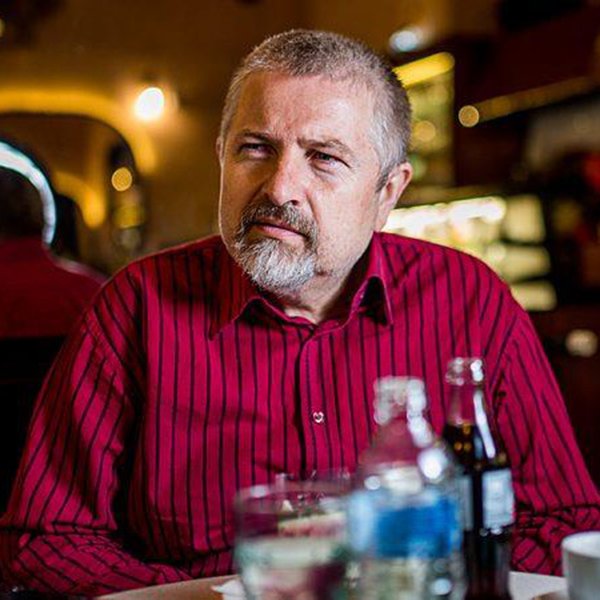
László Z. Karvalics
Administrative Head of Research at iASK
László Z. Karvalics is a senior research fellow and research director at the Institute of Advanced Studies Kőszeg (iASK), with a DSc, PhD, and habilitation in history, literature, and linguistics from ELTE, Budapest. Founding director, BME-UNESCO Information Society and Trend Research Institute, associate professor, former Head, Department of Cultural Heritage and Human Information Science, Faculty of Arts, University of Szeged.
His research spans multidisciplinary information science, information society studies, and the social impacts of information technology. He examines national information strategies, artificial intelligence, digital ecosystems, and knowledge management, alongside information history, press history, and education in the information age. His work also addresses smart cities, cultural microheritage, and citizen science. Formerly a Fulbright Scholar at George Washington and Georgetown Universities, he served as Chair of UNESCO’s IFAP Preservation of Information Working Group (2016–2023) and has led major initiatives on information culture and technology policy.
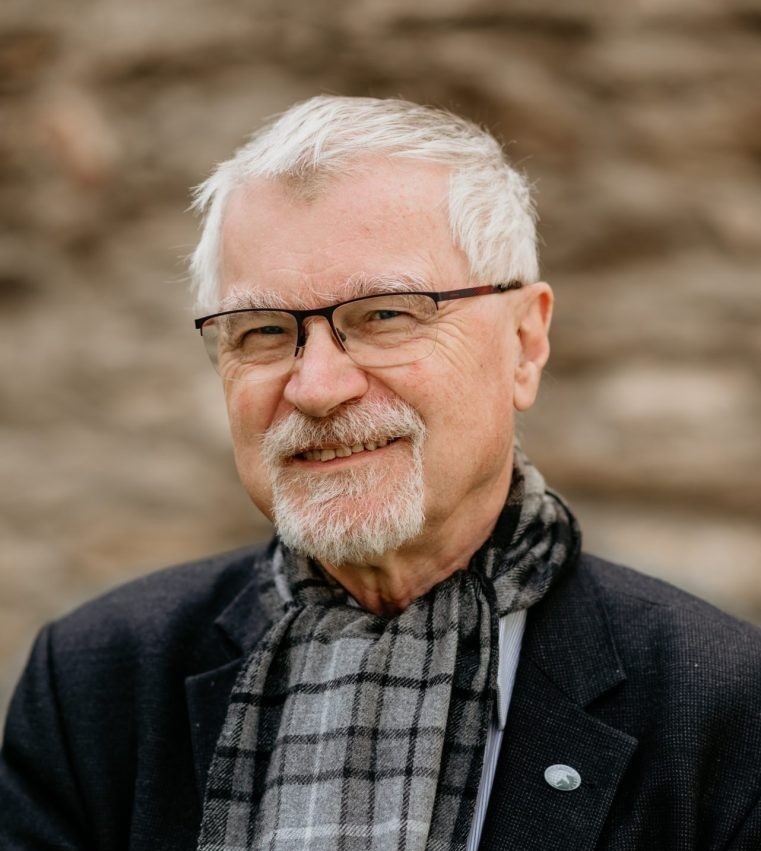
Tamás Fejérdy
Senior Advisor at iASK
Tamás Fejérdy held leading positions in Hungary’s national organization for monument preservation and now continues his academic and mentoring work
between 1976 and 2013. He earned a Master’s in Architecture (Budapest University of Technology), a diploma in monument conservation, and doctoral titles in technical sciences and liberal arts. He gives lectures at Budapest Technical University, Pázmány Péter Catholic University, Eötvös Loránd University, and Babeş-Bolyai University. He is also a supervisor and mentor to many current and former iASK researchers. He teaches in the Cultural Heritage Management and Sustainable Development Postgraduate Programme (ISES Foundation, Kőszeg) and has been a Chairperson of UNESCO’s World Heritage Committee. Through his work, he developed extensive professional expertise in World Heritage nominations and reactive monitoring missions.
Research interests include conservation and restoration of historic monuments, cultural heritage management, sustainable development, historic city rehabilitation, and the intangible dimensions of tangible heritage.
More info: https://iask.hu/en/people/tamas-fejerdy/
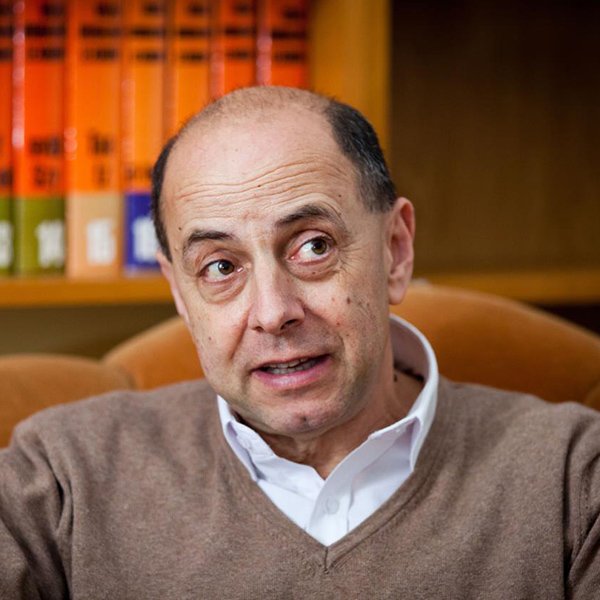
András Nagy
Senior Advisor at iASK, Professor at University of Pannonia Kőszeg Campus
András Nagy is an associate professor at the University of Pannonia (Kőszeg Campus) and teaches at the Faculty of Modern Philology and Social Sciences, Department of Theater Studies. He is a member of ELTE’s Doctoral School of Literature and a consultant for MOME’s PhD program.
His research explores philosophy, aesthetics, and theater history, with a focus on Søren Kierkegaard’s influence and the interdisciplinary analysis of Central European historical turning points, particularly international responses to the 1956 Hungarian Revolution. His latest book, Fatal Empathy: Hungary and the UN 1956–1963, examines Cold War diplomacy and was considered for publication by Indiana University Press. At iASK, he leads the Pannon House of Literature and Creative Arts, linking research with creative practice, and conducts studies on Cold War history and cultural narratives. He has published widely in Hungarian and international journals and authored novels, plays, and scripts adapted for stage and film.
More info: https://iask.hu/en/people/nagy-andras/

Ivana Stepanovic
Research Colleague at iASK
Ivana Stepanović is a permanent research fellow at the Institute of Advanced Studies Kőszeg (iASK). She holds a PhD in Anthropology from the University of Belgrade and an MA in Human Rights from the University of Sarajevo and the University of Bologna. Her research explores peace and reconciliation in former Yugoslavia, digital ethnography of AI and social media, online activism, and the societal impact of artificial intelligence. She previously worked as a research fellow at the Institute of Criminological and Sociological Research in Belgrade and lectured at the University of Pannonia, Kőszeg Campus. Her book Influencers, Online Alliances, and Reconciliation in Southeast Europe: #Balkans (Routledge) examines how social media and AI contribute to peacebuilding in post-conflict societies.
More info: https://iask.hu/en/people/ivana-stepanovic/
More permanent Research Fellows at iASK: https://iask.hu/en/about-us/people/permanent-research-fellows/
